


Why Most Businesses Fail at Digital Transformation
Digital transformation has become one of the most important priorities for modern businesses attempting to remain competitive in increasingly technology-driven markets. Organizations across industries are investing heavily in automation systems, cloud infrastructure, AI tools, analytics platforms, and modern operational technologies in an effort to improve efficiency, scalability, and long-term growth.
However, despite significant investment in technology, many digital transformation initiatives fail to produce meaningful operational improvement. Businesses often adopt new software systems, automation tools, or AI platforms without addressing the deeper operational problems that exist within their infrastructure, workflows, communication systems, and organizational processes.
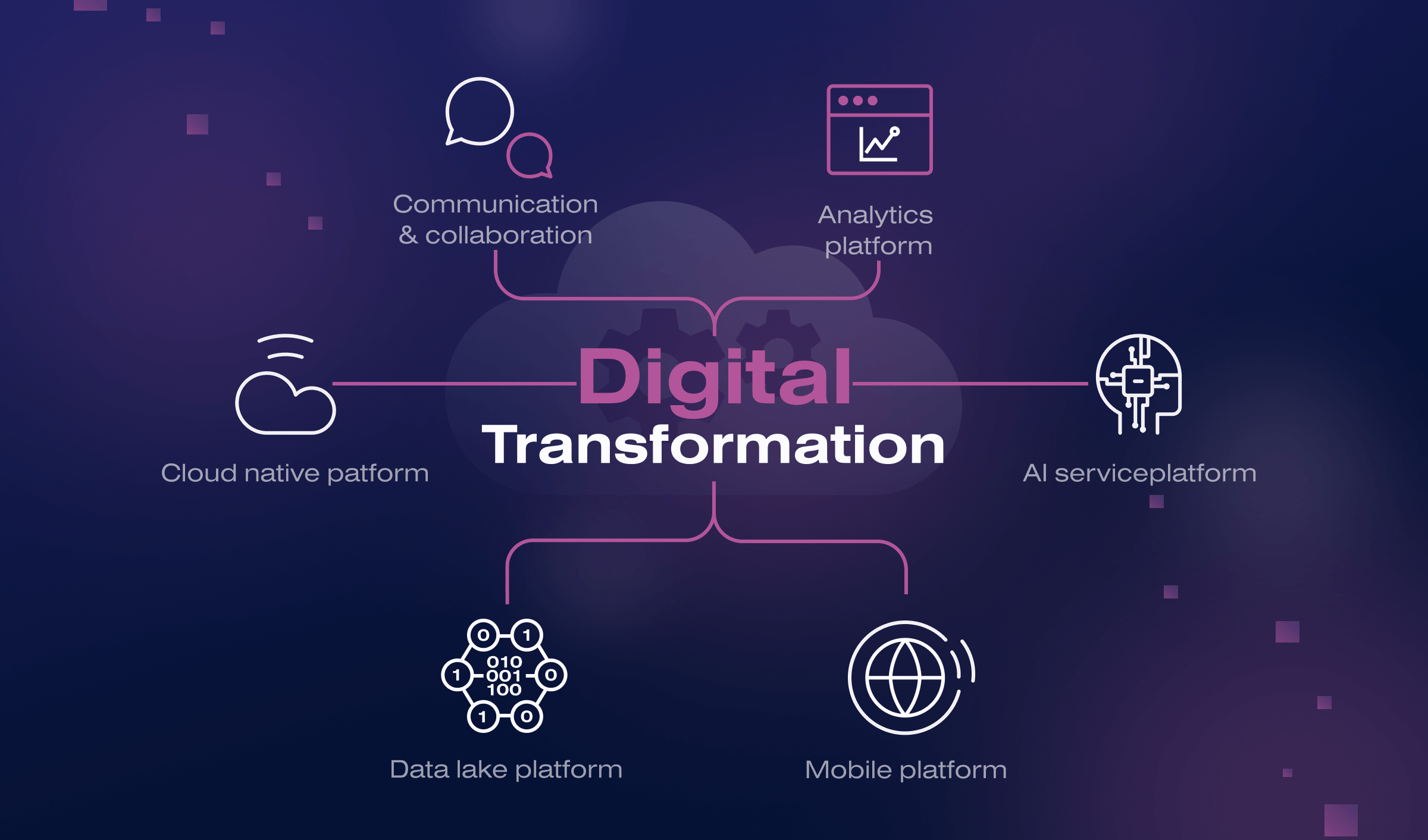
Successful digital transformation is not about adding more technology – it is about building intelligent operational ecosystems.
Technology Alone Does Not Solve Operational Problems
One of the most common reasons businesses fail at digital transformation is the assumption that implementing new technology automatically improves operational performance. Many organizations purchase software, automation systems, CRM platforms, analytics tools, or AI solutions without first evaluating whether their internal workflows and operational structures are properly designed to support those technologies.
When inefficient workflows, fragmented communication, disconnected systems, or poor operational structures remain unresolved, adding more technology often increases operational complexity rather than improving efficiency. Businesses may end up managing multiple disconnected tools, duplicated workflows, inconsistent data environments, and operational confusion that ultimately reduce productivity instead of improving it.
Successful transformation requires organizations to rethink operational architecture itself rather than simply adopting isolated technologies. Technology should support optimized workflows, connected systems, and scalable infrastructure – not function as temporary solutions layered on top of operational inefficiency.
The Problem of Disconnected Systems
Many organizations operate using disconnected platforms that do not communicate effectively with each other. Customer information may exist in one platform, operational reporting in another, internal communication in separate environments, and workflow management across multiple isolated systems.
These fragmented operational ecosystems create inefficiencies, communication delays, duplicated tasks, inconsistent reporting, and limited operational visibility. Teams often spend significant amounts of time manually transferring data, coordinating between platforms, and correcting workflow inconsistencies that should ideally be automated within connected infrastructure environments.
Modern digital transformation requires integrated ecosystems capable of connecting workflows, platforms, APIs, analytics systems, operational databases, communication environments, and automation infrastructure into unified operational architectures that improve scalability, visibility, and workflow efficiency.
Why Strategy Matters More Than Software
Businesses frequently focus too heavily on selecting tools while neglecting long-term operational strategy. Digital transformation is not fundamentally a software problem – it is an operational design challenge. Organizations must first understand how workflows operate, where inefficiencies exist, how departments interact, and what infrastructure requirements are necessary to support scalable operational growth.
Without strategic planning, businesses often implement automation systems that fail to align with operational objectives. This creates environments where employees bypass systems, workflows become inconsistent, operational visibility decreases, and infrastructure complexity increases over time.
A successful transformation strategy aligns technology directly with business operations, scalability goals, communication structures, customer experiences, and long-term organizational objectives. This strategic alignment allows businesses to build intelligent operational ecosystems rather than fragmented collections of tools.
The Human Side of Digital Transformation
Technology implementation alone cannot guarantee successful transformation. Businesses must also address organizational culture, workforce adaptation, leadership alignment, and operational mindset shifts. Employees often resist transformation initiatives when systems feel overly complex, disconnected from real workflows, or difficult to integrate into daily operations.
Organizations that successfully modernize operations typically focus on simplifying workflows, improving collaboration, reducing operational friction, and creating systems that enhance productivity rather than increasing unnecessary complexity.
Human-centered implementation strategies are essential because digital transformation ultimately affects how teams communicate, make decisions, manage workflows, and interact with operational systems. Businesses that ignore this human component often struggle with low adoption rates, inconsistent execution, and operational inefficiencies.
The Importance of Scalable Infrastructure
Modern businesses require infrastructure capable of adapting as operational demands continue evolving. Systems designed only for short-term operational needs often become limitations as organizations grow, customer demands increase, and workflow complexity expands.
Scalable infrastructure allows businesses to integrate automation systems, AI tools, communication platforms, analytics environments, cloud infrastructure, and operational workflows into flexible ecosystems capable of supporting long-term growth.
Organizations that prioritize infrastructure scalability are better positioned to adapt to technological change, operational complexity, and future digital transformation requirements without constantly rebuilding operational systems from scratch.
Conclusion
Most businesses fail at digital transformation not because technology lacks potential, but because operational systems, workflows, infrastructure, and strategic alignment are often poorly designed before implementation even begins.
Successful transformation requires more than purchasing software or implementing isolated automation tools. It requires intelligent operational design, connected infrastructure, scalable systems, workflow optimization, and long-term strategic alignment between technology and business objectives.
Businesses that focus on building integrated operational ecosystems rather than fragmented technology environments position themselves for stronger scalability, improved efficiency, operational resilience, and long-term digital adaptability.
IdeationIntegrated focuses on helping businesses design scalable operational ecosystems through intelligent infrastructure, AI integration, workflow automation, connected systems architecture, and long-term digital transformation strategy. By aligning technology with operational structure, the company helps organizations build future-ready environments designed for efficiency, scalability, adaptability, and sustainable long-term growth.
Leave a Reply